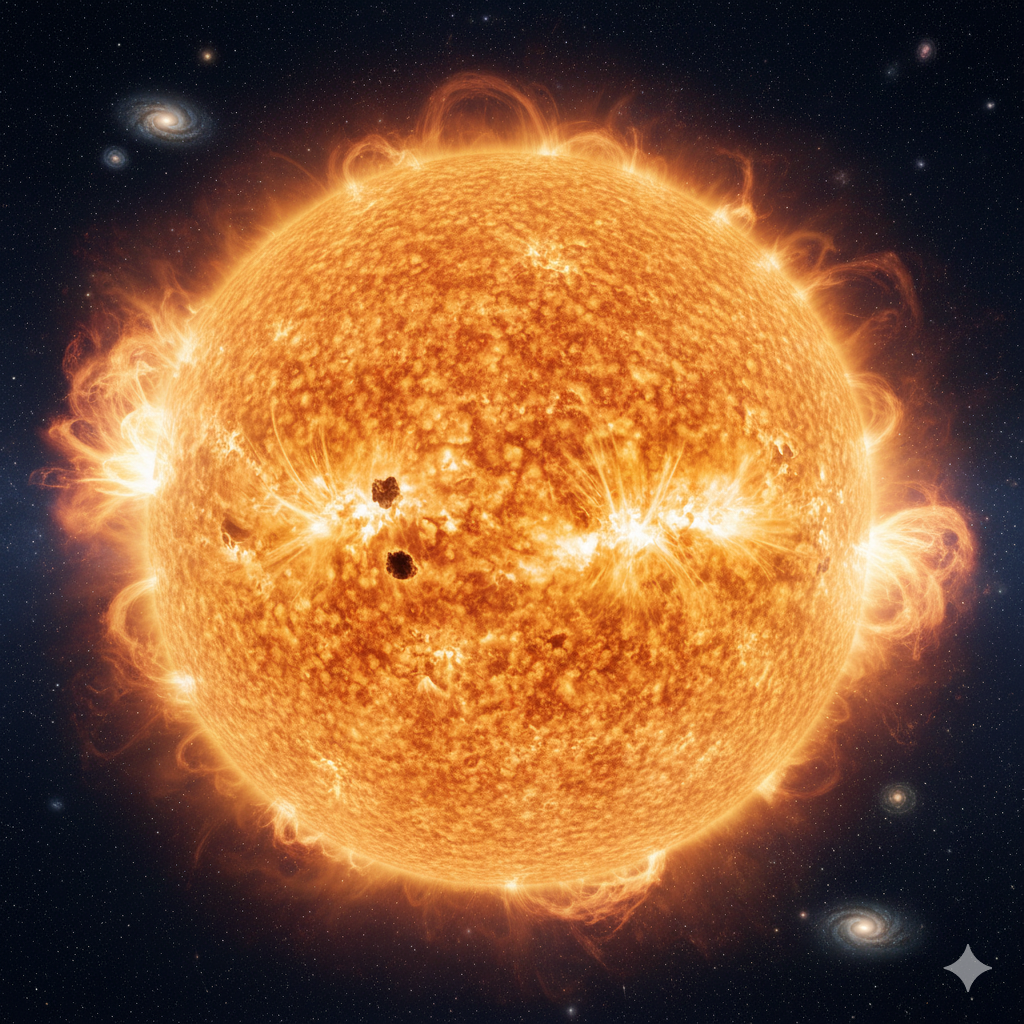
Sun Maha Dasha (6 Years) – Core Nature The Sun (Surya) represents: Atma (soul, inner authority, selfhood) Father, lineage, dignity, status Government, power, leadership, administration Vitality, bones, heart, right eye...
Read MoreDasha (Period or Bhukti)
Introduction to Dasha
In Vedic Astrology, Dasha means a planetary period or karmic phase of life. It is one of the most important systems in Jyotish because it reveals when the results of karma are likely to manifest. A birth chart shows the promise, potential, and karmic blueprint of life, but the Dasha system shows the timing of their activation.
Without Dasha, one may know what is indicated in the horoscope, but not when it will unfold. That is why Dasha is considered one of the most profound predictive tools in Vedic astrology.
The Role of Dasha in Astrology
The natal chart indicates the structure of destiny: personality, karmic patterns, strengths, weaknesses, relationships, profession, health, fortune, and spiritual growth. But life does not deliver all results at once. Different karmas ripen at different times.
This unfolding happens through Dasha.
Dasha activates:
In simple terms, Dasha is the cosmic timetable through which karmic fruits become visible in life.
Vimshottari Dasha: The Most Widely Used System
Among the many Dasha systems in Jyotish, the most widely used is the Vimshottari Dasha. This system is based on the Nakshatra occupied by the Moon at birth. Since the Moon represents mind, experience, perception, and daily life, its birth Nakshatra becomes the key to the unfolding of one’s life journey.
The total span of Vimshottari Dasha is 120 years, divided among the nine Planets:
|
Planet (Graha) |
Dasha Duration |
|
Ketu |
7 years |
|
Venus (Shukra) |
20 years |
|
Sun (Surya) |
6 years |
|
Moon (Chandra) |
10 years |
|
Mars (Mangal) |
7 years |
|
Rahu |
18 years |
|
Jupiter (Guru) |
16 years |
|
Saturn (Shani) |
19 years |
|
Mercury (Budha) |
17 years |
|
Total |
120 years |
Each planet gives results according to:
So the same Maha Dasha can produce very different results in different horoscopes.
How the Starting Dasha Is Determined
At the time of birth, the Moon’s Nakshatra determines the first Maha Dasha of life.
Each Nakshatra is ruled by one of the nine planets. Therefore, whichever Nakshatra the Moon occupies at birth decides the opening, Maha Dasha.
For example:
However, the full Maha Dasha does not always begin from the first day. The balance of the starting Dasha depends on how far the Moon has already travelled inside that Nakshatra.
If the Moon has completed 25% of the Nakshatra at birth, then 75% of that planet’s Maha Dasha remains to be experienced.
This remaining portion is called the balance of Dasha at birth.
Structure of Dasha Periods
The Dasha system has layers of timing. These layers help astrologers judge both broad life themes and precise event timing.
1. Maha Dasha
This is the major planetary period. It sets the main karmic theme for a stretch of years.
2. Antar Dasha
Within each Maha Dasha, there are sub-periods ruled by all nine planets. These refine the results of the Maha Dasha and show which areas become active within the broader period.
3. Pratyantar Dasha
Each Antar Dasha is further divided into smaller periods called Pratyantar Dasha. This provides more precise timing for events, developments, and changes.
Some astrologers also go further into:
These are used for finer timing when necessary.
Sequential Activation of Planetary Karma
Life unfolds through a sequence of planetary periods. One Maha Dasha ends, another begins, and with that shift, the karmic focus of life also changes.
For example:
But these results are never judged by planet alone. One must always examine:
Why Dasha Is So Important
Dasha is essential because it answers the practical predictive question:
When will something happen?
A chart may promise:
But Dasha helps identify the period in which those karmas are likely to mature.
That is why prediction in Jyotish is not based only on house meanings or yogas. It depends heavily on whether the relevant planets and houses are active through Dasha.
A Simple Example
Suppose a person has a strong 7th house and a benefic influence on marriage. Marriage is promised in the horoscope. But the event generally manifests during a Dasha or Antar Dasha connected with:
So, the birth chart gives the promise, while Dasha gives the timing.
Maha Dasha and Antar Dasha Interaction
A Maha dasha lord creates the overall field of experience, while the Antar dasha lord specifies how the results unfold within that field.
For example:
The interaction between the Maha dasha lord and the Antar dasha lord is crucial in timing real-life events.
Dasha and Karma
In a deeper Jyotish understanding, Dasha is not merely a timing mechanism. It is the unfolding of Prarabdha Karma—that portion of karma chosen for experience in this life.
Each planet acts as an agent of karma. During its period, it delivers the results promised by its:
Thus, Dasha is the living calendar of karmic manifestation.
Important Note on “Bhukti”
In common usage, the word Bhukti usually refers to the Antar Dasha, the sub-period within a Maha Dasha. So:
Because of this, it is more technically correct to say:
Dasha = period
Bhukti = sub-period
Conclusion
Understanding Dasha is one of the most essential parts of Vedic Astrology. It transforms the horoscope from a static karmic map into a dynamic, living, unfolding timeline. It tells us when different planetary energies become active, when karmic results ripen, and when major life events are likely to occur.
In Jyotish, prediction becomes meaningful only when the natal promise and Dasha timing are read together. The horoscope shows the seed; Dasha shows the season in which that seed will sprout.
© Anuradha Astrology. All Right Reserved. Designed By Webcodez Infoway